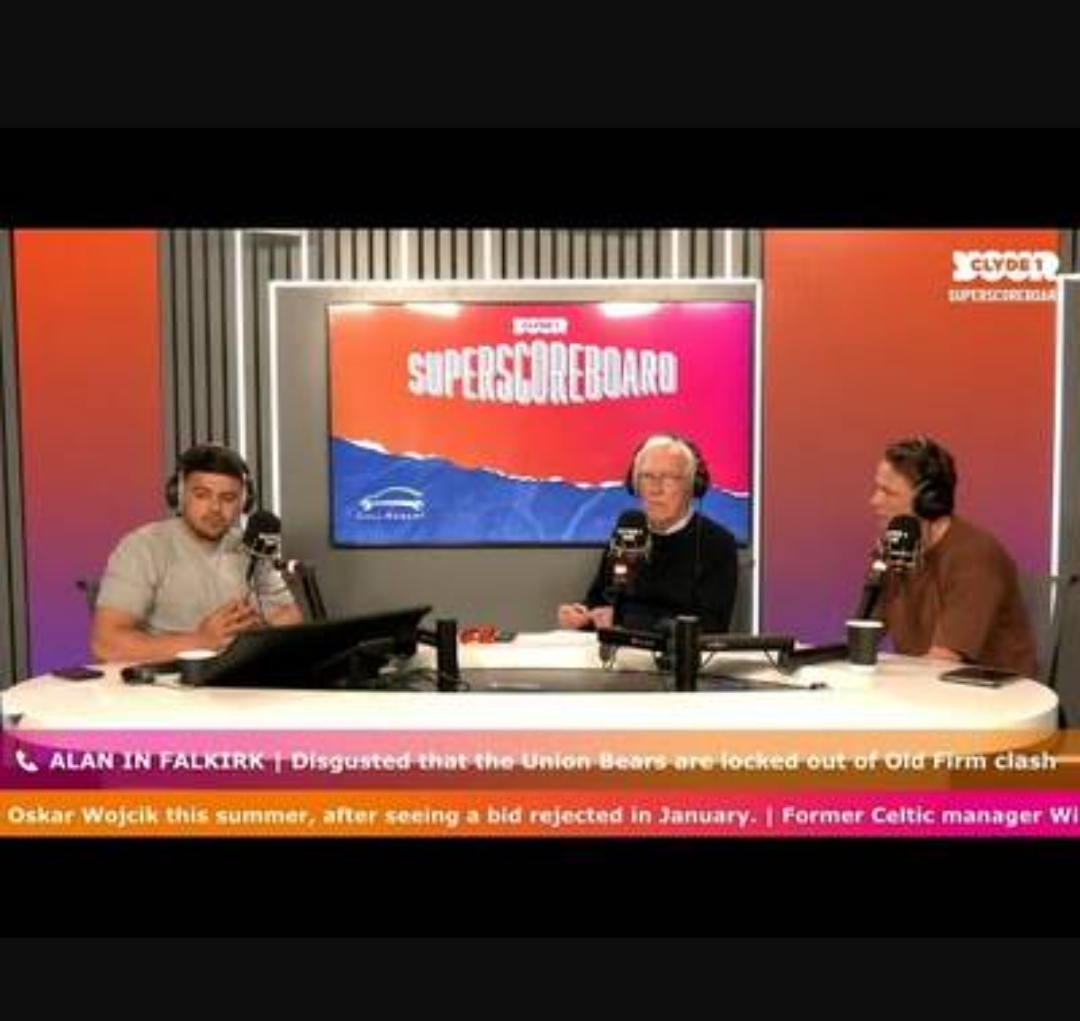
Union Bears Ban Sparks Old Firm Firestorm: Inside the Controversy Shaking Scottish Football
The latest chapter in the fierce rivalry between Celtic and Rangers has exploded into controversy, with the Union Bears effectively banned from attending the final Old Firm clash of the 2025–26 season at Celtic Park on May 10.
Backed by the Scottish Professional Football League (SPFL), the decision has triggered outrage, debate, and deeper questions about fan culture, safety, and control in modern football.
Who Are the Union Bears?
Formed in 2007, the Union Bears are one of Rangers’ most prominent ultras groups. Known for their choreographed tifos, relentless chanting, and bold banners, they have played a major role in shaping the atmosphere at Ibrox.
Emerging after earlier supporter factions, they positioned themselves as a response to the growing ultras movement in Scotland—particularly Celtic’s Green Brigade.
Over the years, they’ve delivered iconic displays and strong away support—but not without controversy. Critics point to political messaging, clashes, and behaviour that sometimes crosses the line, while supporters argue they’ve revitalised matchday energy.
Ultras culture in Scotland has increasingly mirrored continental Europe, blending spectacle with intensity—though in Glasgow, historical and sectarian tensions amplify everything.
The Flashpoint: Chaos at Ibrox
The current ban stems from the Scottish Cup quarter-final at Ibrox on March 8, 2026.
After a tense 0–0 draw, Celtic triumphed 4–2 on penalties—but the match ended in chaos:
- Pitch invasions from both sets of fans
- Clashes involving police, stewards, and staff
- Missiles thrown and injuries reported
- Arrests and ongoing investigations
Police Scotland described the scenes as “shameful” and “despicable.”
Celtic later identified individuals linked to the Union Bears as key figures in the disorder. Rangers acknowledged issues on both sides but pushed back against singling out one group.
Celtic’s Condition — and Rangers’ Response
Ahead of the May 10 derby, Celtic made their stance clear:
Away tickets would only be issued if Union Bears members were excluded.
They framed it as a necessary safety measure based on risk assessments.
Rangers rejected the condition, calling it collective punishment, and escalated the issue to the SPFL.
SPFL Verdict: Ban Stands
After review, the SPFL sided with Celtic.
- Rangers will receive their away allocation (around 2,500–3,000 tickets)
- Union Bears members must be excluded from distribution
In response, the Union Bears issued a defiant statement, calling the move:
“A direct attack on fan culture… and a dangerous precedent.”
Despite this, they urged fans to support the team regardless, prioritising unity over boycott.
Fan Reaction: Division Everywhere
Rangers Supporters
Fury and frustration dominate. Many see this as Celtic controlling away support, setting a dangerous precedent, and unfairly targeting one group.
Celtic Fans
Largely supportive, with many believing safety must come first and that consequences are justified after the Ibrox incidents.
Neutral Perspective
Observers highlight the challenge of balancing safety at high-risk fixtures while avoiding blanket punishments and preserving fan identity.
Ultras Culture: Passion vs Risk
Ultras bring atmosphere, identity, and visual spectacle—but also carry risks, including escalation, political tension, and control issues for clubs.
Scottish football sits in a difficult position—wanting the energy, but fearing the consequences.
Title Race Adds Fuel
This isn’t just about fans—the stakes are massive. With the Premiership title race tightening, this Old Firm clash could be decisive.
The absence of the Union Bears may reduce Rangers’ away atmosphere, give Celtic a psychological edge, and influence momentum on the pitch.
A Dangerous Precedent?
This decision could have lasting consequences. Questions remain over whether Rangers could retaliate at Ibrox, or whether other clubs will begin restricting specific fan groups.
Scottish football has seen similar disputes before—but this one feels bigger.
The Bigger Picture
This controversy reflects a wider issue in modern football—how to balance passion with safety, and where the line lies between support and disorder.
Technology, policing, and banning orders offer solutions, but each comes with trade-offs.
Final Word
The Union Bears ban is more than a ticketing dispute—it’s a symbol of deeper tensions in Scottish football.
- Celtic prioritised safety
- Rangers defended supporter rights
- The Union Bears framed it as cultural suppression
The SPFL ruling settles this moment—but not the underlying conflict.
As May 10 approaches, one thing is certain: the Old Firm rivalry isn’t cooling down anytime soon.
